
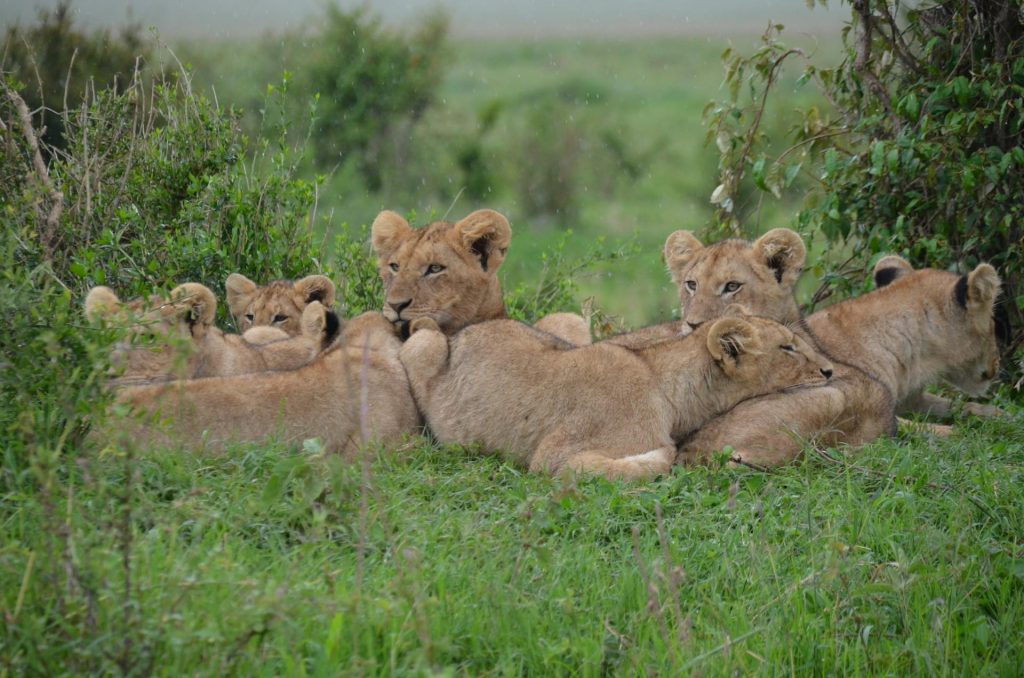
Where do lions sleep? A day without a nap is like a cupcake without frosting. Lions sleep for long hours (16 hours for females and 20 hours for males) to preserve their energy for hunting both big and small prey in the coming hours.
The worst mistake you can make is waking up this lethargic big cat. There is no sunrise so beautiful that it’s worth disturbing a sleeping lion because you could end up being its supper.
Planning a trip? Compare the best East Africa tour operators and ask for a quote.

This laziest big cat typically sleeps on the ground under the shade of acacia trees. These trees have vertically arranged leafstalks and fragrant flowers in compact globular clusters.
Such graceful trees predominantly grow in warm climates, such as in Serengeti National Park, Masai Mara National Reserve, Queen Elizabeth National Park, and many others.
Lions do not sleep in the following places:
- Caves: Some people falsely claim that lions sleep and even live in caves, but this is not true. Lions prefer to sleep under the cool shade of trees in open spaces without fearing attacks because other mammals are generally afraid of them. Lions usually sleep in groups, which deters potential predators.
- Dens: It’s primarily female lions that hide in dens when giving birth to cubs, and they might occasionally sleep there. This is done to ensure the safety of the young ones. Male lions do not sleep in dens.
Lions avoid sleeping during rainy seasons and at night for several reasons:
- Rainfall: Rainfall consists of thunder and fast-flowing water, making it impossible for lions to sleep on wet ground. Instead, they venture into the fields to hunt. Other animals can’t detect the sound and movement of a lion due to the noise from the thunder. This puts lions at an advantage, allowing them to secure an abundance of food to feast on during the day.
- Nighttime: During this period, many animals are sound asleep, as they hunt or feed on vegetation during the day and rest during the night. Opportunistic lions take advantage of this time to locate prey that may not see well at night, even those in their dreamlike state. Lions possess night vision, enabling them to see in the dark, which is why they often prefer to hunt at night.
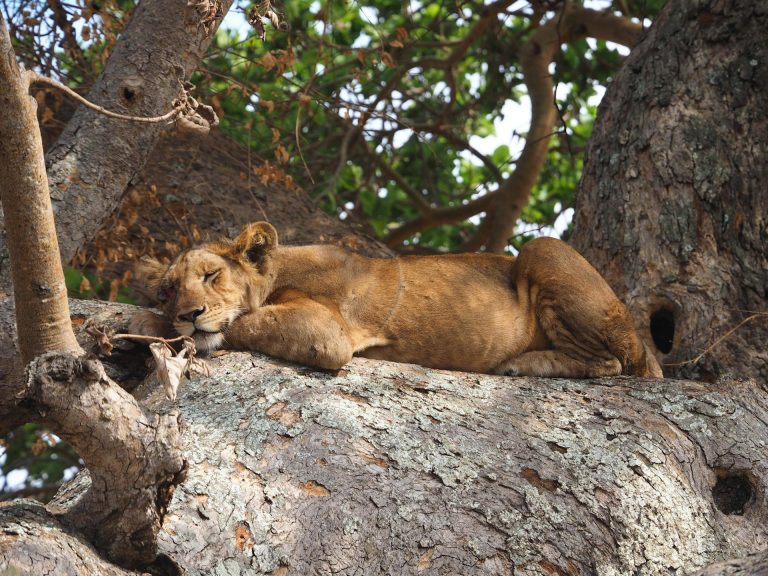
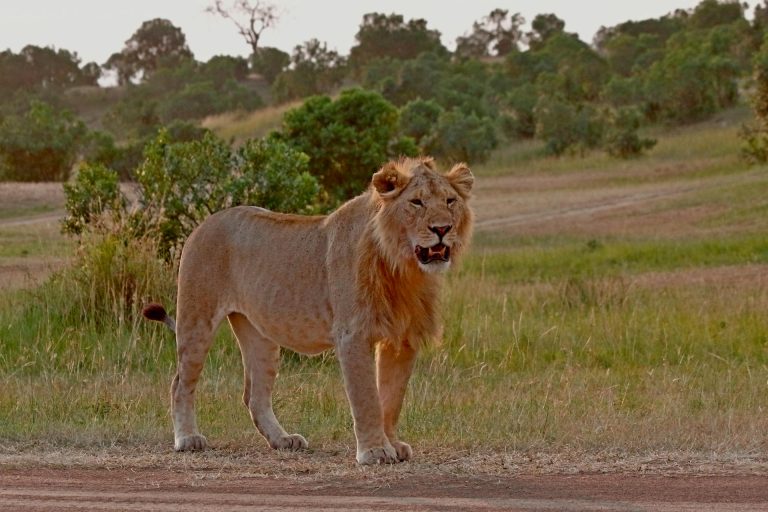
Lions seek cool places and sometimes climb trees to enjoy the open air. They often rest on top of tree branches, observing the park’s landscape from different viewpoints. It is typically the female lions that sleep or rest on tree branches with their cubs, while the males prefer busier areas with tall grass, often at ground level, where they find the comfort they need.

Male lions are known for their aggression, especially when they mate. They can kill female lions if they refuse to mate and even cubs when they enter another territory, reducing competition among males for females.
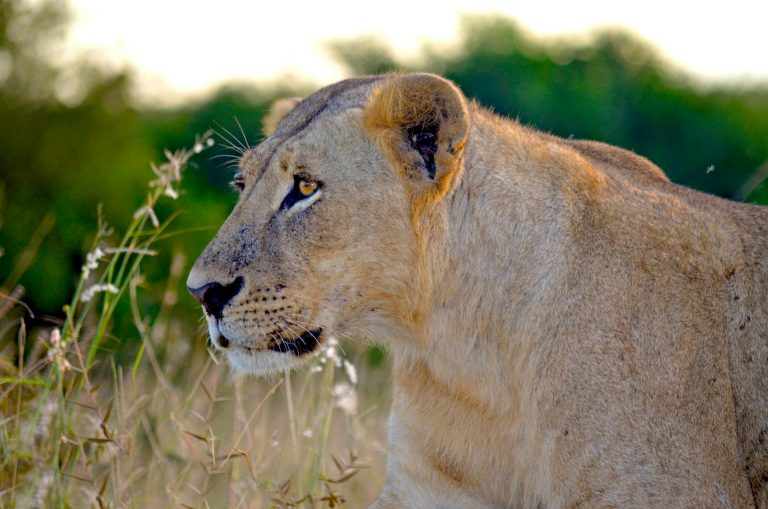
Female lions, on the other hand, fight back when they find male lions attacking their young ones or trying to take the biggest share of the prey. They also compete for power.
Male lions mark and protect the territory, while the females hunt, care for the cubs, and lead the pride.
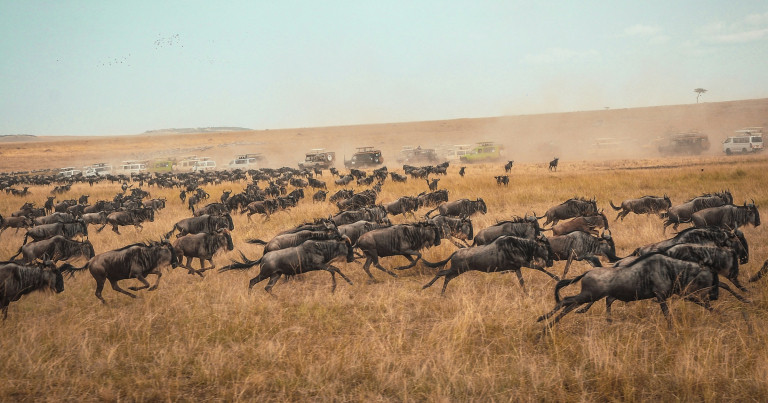
Lions prey on small species like snakes, lizards, antelopes, fennec foxes, jerboas, as well as large species such as zebras, elephants, crocodiles, rhinos, buffaloes, and more.
Lions are at risk of extinction due to poaching, which is why the few remaining ones are protected from harm.