
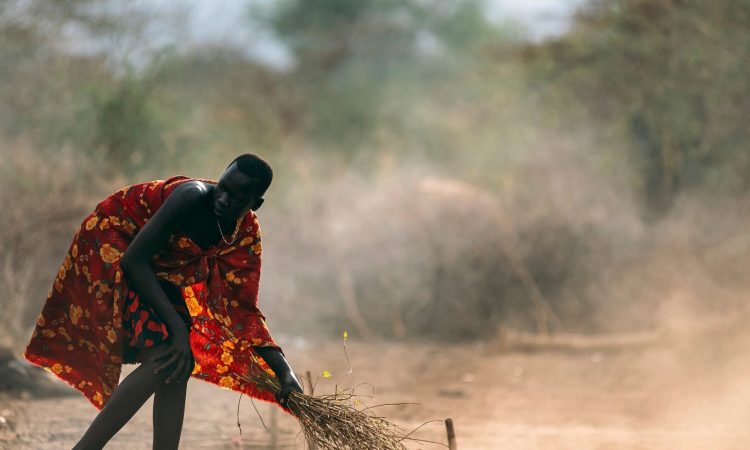
South Sudan is an African country located in the north. It has diverse plants and animals that support the well-being of the people in the community. Culture is highly valued, depending on the tribe.
Below are some of the most popular and powerful tribes in South Sudan.
Mundari Tribe
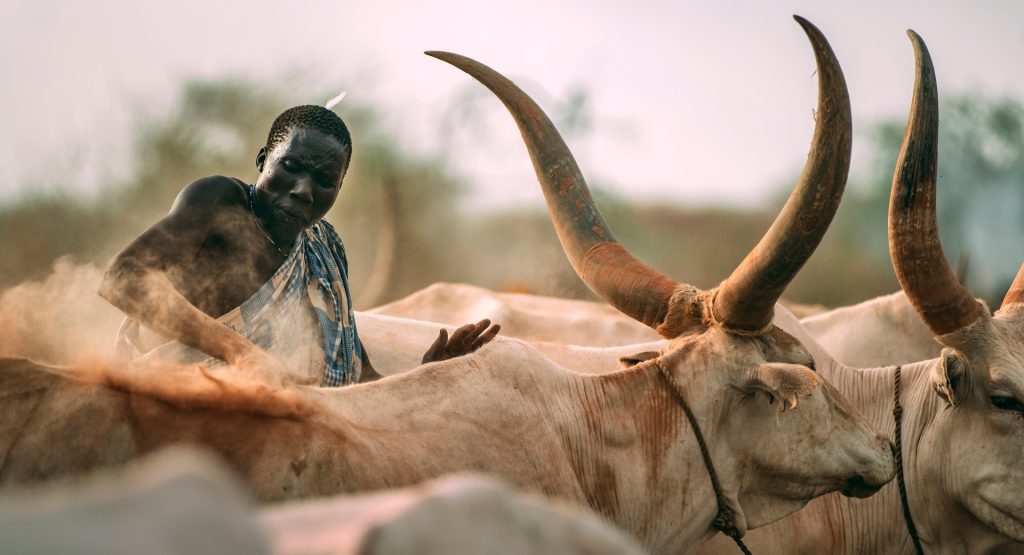
The Mundari are known for their unique traditions. Both men and women are marked with a series of V-shaped parallel marks on their foreheads. However, this practice is declining, probably due to modernization and the government discouraging such acts.
Despite this, they still enjoy wrestling, which is their traditional sport. On certain days of the week, young men from different villages gather to compete. They smear their bodies with mud, hold each other tightly, and try to bring their opponents down while the crowd cheers and sings for their teams.
Dinka Tribe
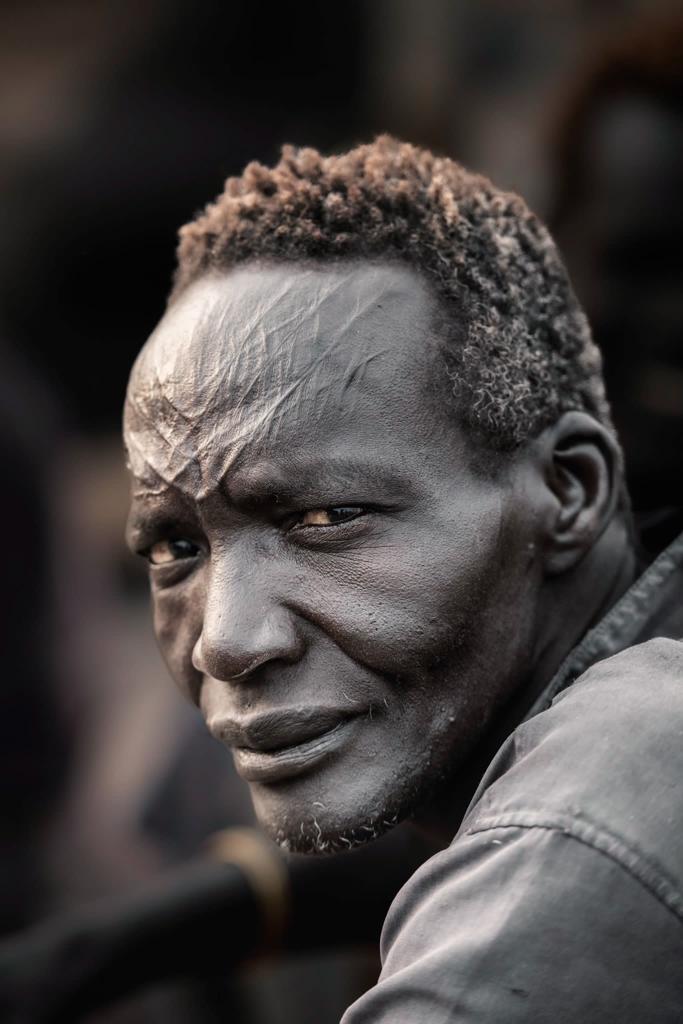
The Dinka are also one of the most dominant tribes in South Sudan. They are well known for their independently connected clans, meaning they do not have a central political leader.
They strongly believe in their God, Nhialic, who is believed to temporarily possess individuals and speak through spirits.
Boya Tribe

The Boya people beautify their villages by painting their homes and decorating themselves with beads.
Women wear animal skins around their waists and wrap thin leaves around their legs and arms to create striped patterns.
Surprisingly, women have rights in this tribe. When a woman becomes a widow, she takes over her late husband’s property and also becomes responsible for his closest male relative.
The Boya people are hunters and live east of the town of Torit.
Toposa Tribe
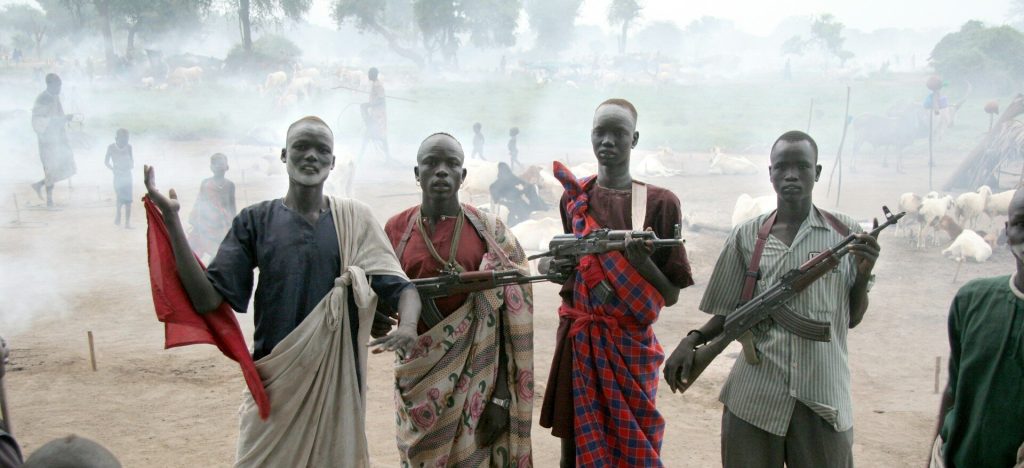
The Toposa tribe is known for its striking practice of scarification. However, this does not stop visitors from exploring their villages.
Their houses are built with mud and sticks, with roofs decorated with cattle skulls.
Women dress similarly to the Boya by wearing animal skins, while men often go naked. One of the funniest moments is when they see foreigners, as they view them as aliens. However, both the visitors and the locals become curious about each other.
Lotuko Tribe

The Lotuko people live in villages nestled in the hills and hidden among rocks, mostly for security purposes. They have embraced modernity more than other groups.
They are the main ethnic group living around Torit, the capital of East Equatoria State.
Nuer Tribe
The Nuer are the second-largest tribe in South Sudan, making up 16% of the population. They are deeply connected to their cattle and the well-being of their community.
This is why they formed the White Army, a group of strong young men who smeared their bodies with white ash and positioned themselves to guard their villages.
However, after South Sudan gained independence in 2011, they surrendered their weapons due to fear of the SPLA.
Shilluk Tribe

This tribe is known for its history and the establishment of the Shilluk Kingdom. In the past, the king controlled everything. However, today, a traditional chieftain is responsible for guiding their spiritual lives and serving as a diviner in both Sudan and South Sudan.
Didinga Tribe
There was tension in the past between the Didinga and other tribes, but it later ended. The Didinga people arrived in South Sudan in the 16th century, traveling from Turkana and Ethiopia.
When the British came, this area was made into a Catholic settlement. However, the Didinga still strongly uphold their culture.
They have not abandoned herding and farming, which they see as a way of life. They also honor their gods by making sacrifices and offerings to their supreme spiritual being.
Otuho Tribe

This tribe is believed to have settled in Eastern Equatoria around the 1800s. They strongly practice ancestral worship, believing that the dead are not truly dead. Their land has no central leader or anyone in authority.
Imatong Tribe
These people live in the Imatong Mountains, which are covered with dense forests. They are considered primitive and mainly rely on farming for survival.
Come and interact with these tribes. You will surely have a refreshing experience!
Book your Uganda tours with these recommended Uganda tour companies for a well planned safari. Use the Voucher: UTBlog for up to 25% Discounts on Trips.


