
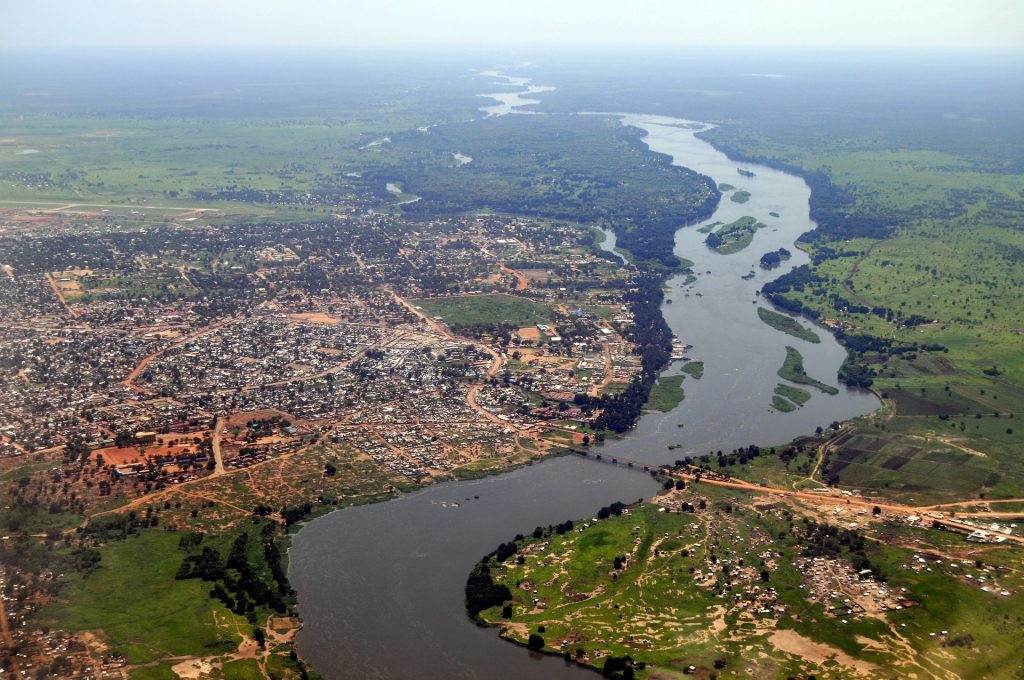
Juba Climate and Weather in South Sudan – Juba, the capital city of South Sudan, has an average annual high temperature of 34.5°C and an average annual low temperature of 21.6°C.
Rainfall in South Sudan varies by location, mostly occurring between April and November.
Some areas receive low annual rainfall, such as lowland areas, while others receive very heavy rainfall, especially in the southern tip of the Southern Uplands.
The lowland areas of Eastern Equatoria receive about 200mm of rainfall annually.
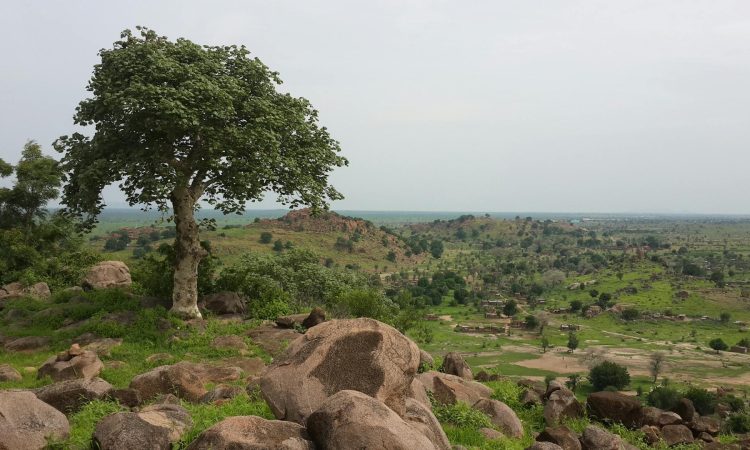
The country is mostly covered with thick equatorial vegetation, savanna grasslands, and mountain ranges. Along the border with Uganda, these landscapes stretch into mountainous areas.
Weather Patterns & Effects
South Sudan’s weather brings both advantages and disadvantages. The country often experiences:
- Widespread drought, caused by above or below normal rainfall across the country.
- Drought in certain regions, due to concentrated above or below normal rainfall.
- Floods, which happen when the Nile River and its tributaries overflow during the wet season (especially in August and September).
According to climatology reports, South Sudan is home to the world’s largest swamp. However, rising temperatures and unpredictable rainfall threaten the biodiversity of this natural treasure.
Rainfall patterns in South Sudan extend beyond its borders, reaching Sudan to the north, Ethiopia to the east, and Uganda to the south.
Climate Characteristics of South Sudan
South Sudan has a tropical climate, which is influenced by the movement of the Intertropical Convergence Zone (ITCZ).
Key characteristics:
- Temperatures are normally above 25°C, with highs exceeding 35°C.
- The coolest months have an average temperature of 18°C or higher.
- Annual rainfall is often abundant and follows seasonal rhythms, but some regions experience seasonal dryness.
- There are two main seasons: dry season and wet season.
- Annual temperature changes are usually small.
- Sunlight is intense throughout the year.
- Areas closer to the equator receive the most rainfall.
- The climate has predictable temperature patterns.
- South Sudan lies between the Tropic of Cancer and the Tropic of Capricorn.
Climate Classification
South Sudan’s climate classification is based on the Köppen-Geiger Climate System, which divides the world’s climate into five groups, depending on seasonal precipitation and temperature patterns:
- Tropical (A)
- Dry (B)
- Temperate (C)
- Continental (D)
- Polar (E)
Rainfall patterns in South Sudan vary widely, which is why the country is divided into sub-regions that extend beyond its borders.
Plan Before You Visit! Temperatures play a major role in South Sudan’s climate.
Before visiting, consult climate specialists to find the best time to travel!
Book your Uganda tours with these recommended Uganda tour companies for a well planned safari. Use the Voucher: UTBlog for up to 25% Discounts on Trips.


