
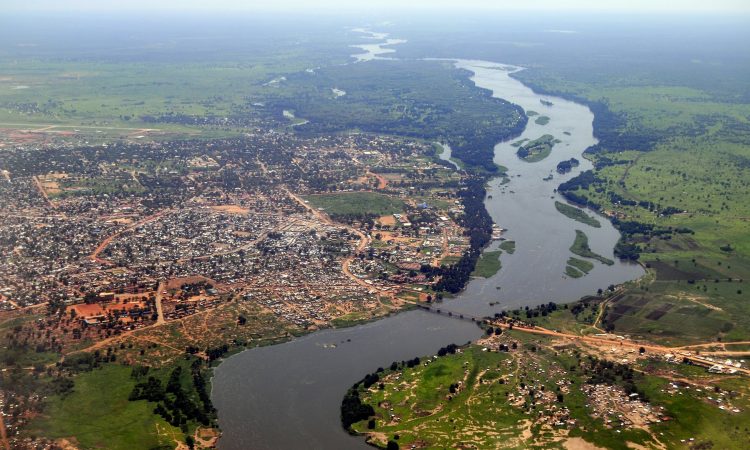
Juba is a bustling city located in the western part of the Nile, serving as the capital of Central Equatoria State. It is always filled with different economic activities because it is the largest and capital city of South Sudan, covering 52 km², with a metropolitan area of 336 km².
Historically, Juba served as the southernmost garrison of the Egyptian army under the Khedivate.
The city is always full of activity and is home to historical centers such as Juba National Museum, Dr. John Garang Mausoleum, and St. Joseph’s Catholic Cathedral.
Other cultural and unique attractions include Nile Street, Konyo Konyo Market, South Sudan Wildlife Reserve, and Jebel Akyujur.
Juba National Museum
Juba National Museum attracts visitors with its rich cultural heritage, featuring ancient artifacts, artworks, historical objects, and symbols that reflect the lifestyles of different native groups in South Sudan.
Items displayed include traditional weapons, musical instruments, clothing, and pottery.
John Garang Mausoleum
Dr. John Garang Mausoleum is one of the top attractions in South Sudan, honoring the great leader Dr. John Garang, who brought unity and hope to the people of South Sudan.
The site displays some of his belongings, including his imposing statue, which serves as a powerful reminder of leadership and dedication.
Tourists from different countries visit, take photos, and film the beautiful surroundings, including the nearby gardens. There is also a gift shop where visitors can buy souvenirs.
St. Joseph’s Catholic Cathedral
Built in the early 20th century, this cathedral is a place of faith and resilience. It features beautiful religious artifacts, glittering ornate furnishings, and stained-glass windows.
The church is known for its melodious Christian songs that can be heard by nearby visitors. It is strategically located in the heart of Juba, making it easily accessible.
Nile Street
This unique attraction is located along the banks of the Nile River and is crossed by the Juba Bridge, offering tourists the chance to enjoy the cool breeze of the water while also visiting Konyo Konyo Market.
Konyo Konyo Market
This market brings together people from within and outside the country. It displays high-quality products at the front for visitors to experience authentic South Sudanese life. The market also helps improve the living standards of local people, as sales generate income.
Visitors enjoy bargaining for discounts on goods. Since the market is located along Nile Street, it is always crowded, so tourists are advised to take good care of their belongings.
South Sudan Wildlife Reserve
This must-visit destination is home to various wild animals. Reptiles crawl on the ground, and tour guides help visitors navigate the safest routes. Carnivores such as lions and leopards roam the park, while primates like monkeys, baboons, and gorillas swing through the trees.
Herbivores, including giraffes, buffaloes, and rhinos, can also be seen. Singing birds, including migratory birds, make the area lively and attract birdwatchers.
Visitors can take part in activities such as hiking, camping, and fishing.
Accommodation in Juba
A good rest is important for every traveler. Here are some recommended hotels that are both classy and affordable:
- Imperial Plaza Hotel Juba
- Acacia Village
- Pyramid Continental Hotel
- Radisson Blu Hotel Juba
- Crown Hotel
- Juba Landmark Hotel
Climate in Juba
South Sudan has high temperatures, usually above 25°C, sometimes exceeding 35°C in the dry season between January and April. This type of climate is referred to as tropical.
In Juba, temperatures are slightly higher, reaching up to 35.4°C, with an annual average low of 21.6°C.
The wet season is hot and oppressive, while the dry season is sweltering and mostly cloudy throughout the year.
The best time to visit South Sudan is between December and April, when the weather is cooler and drier.
NOTE: Weather is recorded for a short period, while climate is measured over a long period.
Safety Measures & Guidelines
Your journey becomes more enjoyable when you know you are safe. Here are some important security measures:
- Exercise extreme caution in all parts of the country.
- If traveling beyond Juba, a minimum of two vehicles should accompany you, equipped with first aid kits and knowledgeable personnel.
- Avoid traveling to border areas.
- Monitor local news and consular messages.
- Review your personal security plan.
- Enroll your trip in the State Department’s Smart Traveler Enrollment Program (STEP).
- Review the Country’s Security Report for South Sudan.
- Check the Traveler’s Checklist.
- Visit the CDC website for the latest travel health information.
Every journey is unique—start your adventure in Juba, South Sudan, and create an unforgettable travel story!
Book your Uganda tours with these recommended Uganda tour companies for a well planned safari. Use the Voucher: UTBlog for up to 25% Discounts on Trips.


